


 Verified Purchase


Sleep Science
Where modern neuroscience meets ancient sleep wisdom — and what it means for your nights.
Original editorial on circadian rhythm, sleep architecture, melatonin science, and the practices humans have used for thousands of years to fall asleep and stay asleep. No fluff. No protocols. Just the research, told as a story you'll actually remember.
From the archive
One sleep science deep-dive every three days. No products pushed — just the research and what it means for your nights.

Your brain has a threat detector that turns on the moment you stop moving
In 1989, Joseph LeDoux cut a single pathway in a rat’s brain and found the structure that runs your 3am. This issue maps the circuit — and points to the one thing that actually interrupts it.
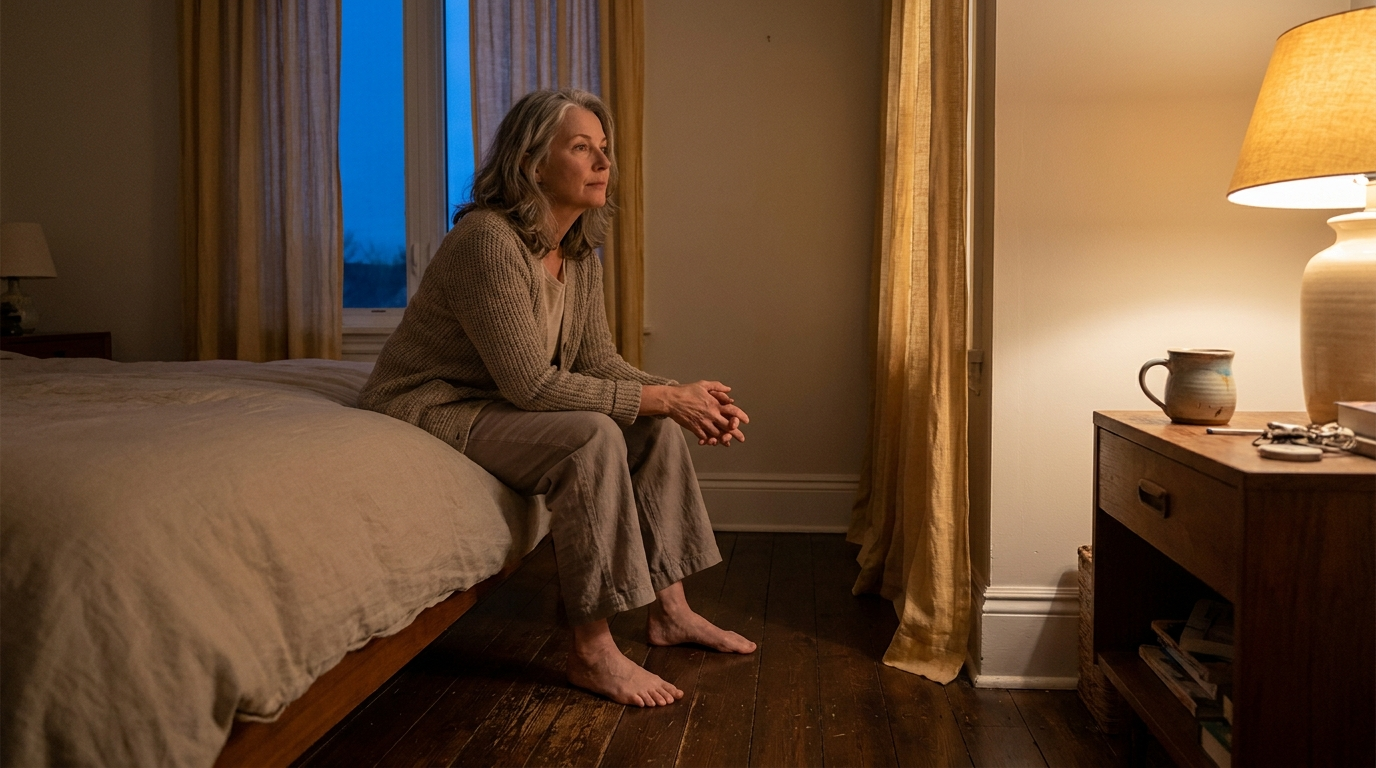
Why Your Body Temperature Controls When You Sleep — And How to Work With It
A 1962 bunker in Bavaria, twelve volunteers with no clocks. What Aschoff found was that your thermostat — not your mind — decides when sleep starts.

Your brain edits your pain while you sleep
In 1978, Rosalind Cartwright watched a recently divorced woman’s brain process grief in real time. The dream fading by breakfast wasn’t failure — it was the therapy completing.

What Alcohol Actually Does to Your Sleep Between Midnight and 6am
In 1966, researchers at Yale gave young men alcohol and watched their EEGs. One glass at 9pm rewires the second half of your night even when you sleep straight through it.

Your Brain Runs Therapy While You Sleep — Forgetting the Dream Is How You Know It Worked
Michel Jouvet removed one structure from a sleeping cat’s brain and watched it stalk invisible prey. The paralysis that stops you acting out your dreams is not a side effect — it’s the point.
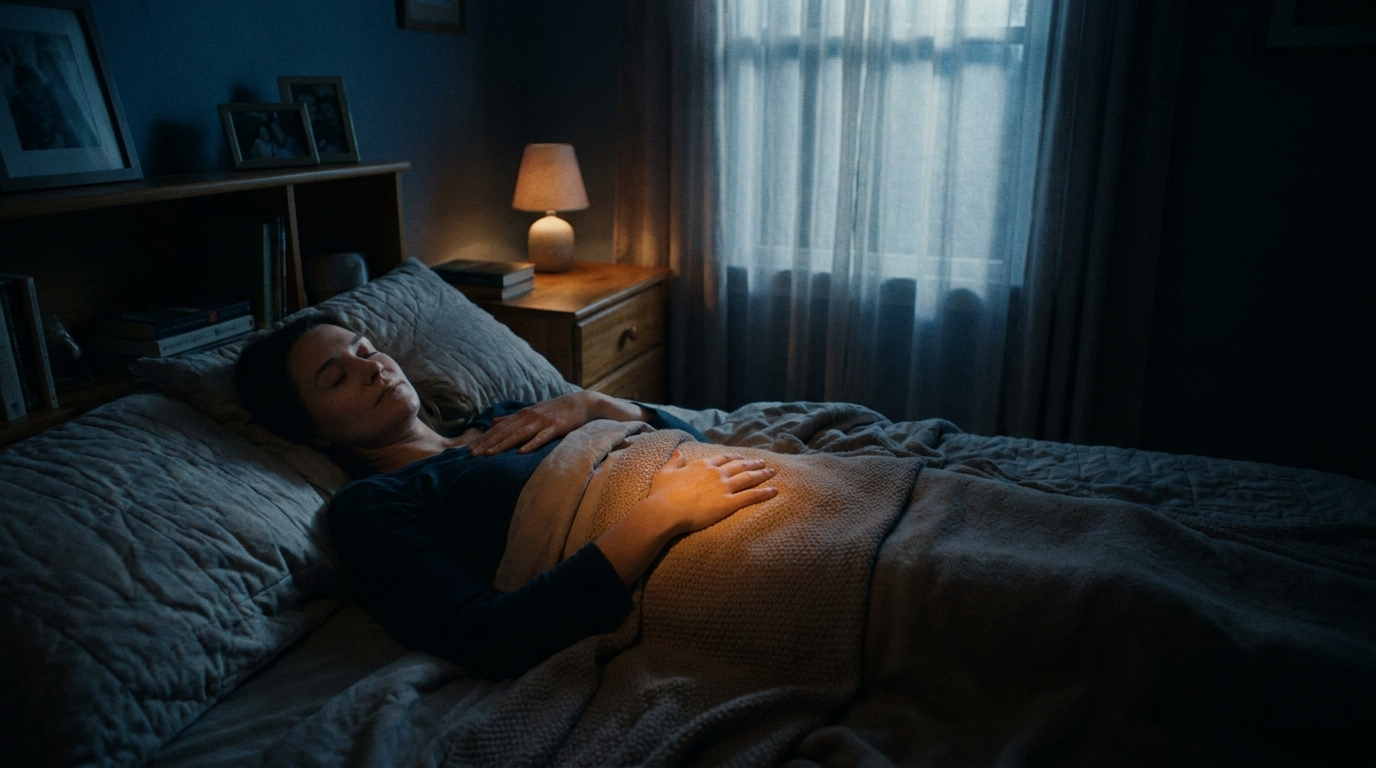
The Discovery That Changed Medicine Came to a Man in a Dream
In 1921, Otto Loewi woke at 3am, scrawled an experiment, and fell back asleep — terrified he’d forget it. By morning he’d proven that nerves speak in chemicals. It’s why a slow exhale works.

Your Eyes Have a Hidden Light Sensor — It Has Nothing to Do With Seeing
In 2002, David Berson found a third photoreceptor in the eye. It doesn’t help you see — it tells your circadian clock what time it is. Your phone floods it every night.

The Mineral Most Adults Over 50 Are Low On — It Controls Sleep
In 1618, a cowherd’s cows refused to drink from a bitter pool. What he found was magnesium — the gatekeeper mineral that blocks neural excitation. 80% are deficient.

Your Grandmother Was Right About the Warm Milk — MIT Proved Why in 1971
A high-protein meal should raise serotonin. It doesn’t. MIT’s Richard Wurtman discovered why — and explained a bedtime ritual that’s been working for centuries.

Your Body Has to Get Colder Before Sleep — Here’s the Strange Way It Happens
Your hands and feet warm up so your core can cool down. The vasodilation that starts in your extremities is the oldest sleep signal your body has.

95% of Your Sleep Hormone Is Made in Your Gut, Not Your Brain
What’s happening in your digestive system at 7pm determines what your night looks like at 3am — and why the gut-brain connection is the most underrated sleep lever you have.

The Switch Inside Your Brain That Has to Flip Before Sleep
In the 1930s, Walter Hess found two switches in the brain — millimeters apart. One for fight-or-flight. One for rest. Your switch isn’t broken. It just needs the right signal.

Why the Hour You Fall Asleep Changes What Your Brain Does All Night
Your brain runs in 90-minute waves from the moment you fall asleep. Which wave you catch at bedtime changes everything that follows — including how much deep sleep you get.

Your Brain Shrinks Every Night — That’s How It Cleans Itself
In 2013, science discovered your brain physically contracts to make room for a cleaning system. The glymphatic system runs only while you sleep. It can’t run while you’re awake.

Why You Wake at 3am: The Organ Clock Your Doctor Never Learned About
Why do so many people wake at exactly the same moment every night? A 2,000-year-old medical system had the answer — and Western science just confirmed it.

Cortisol and Sleep: Why the Morning Sets the Night
Cortisol is not your enemy. But the morning hormone that Ayurveda described 5,000 years ago is the one that sets the quality of sleep you’ll have tonight.
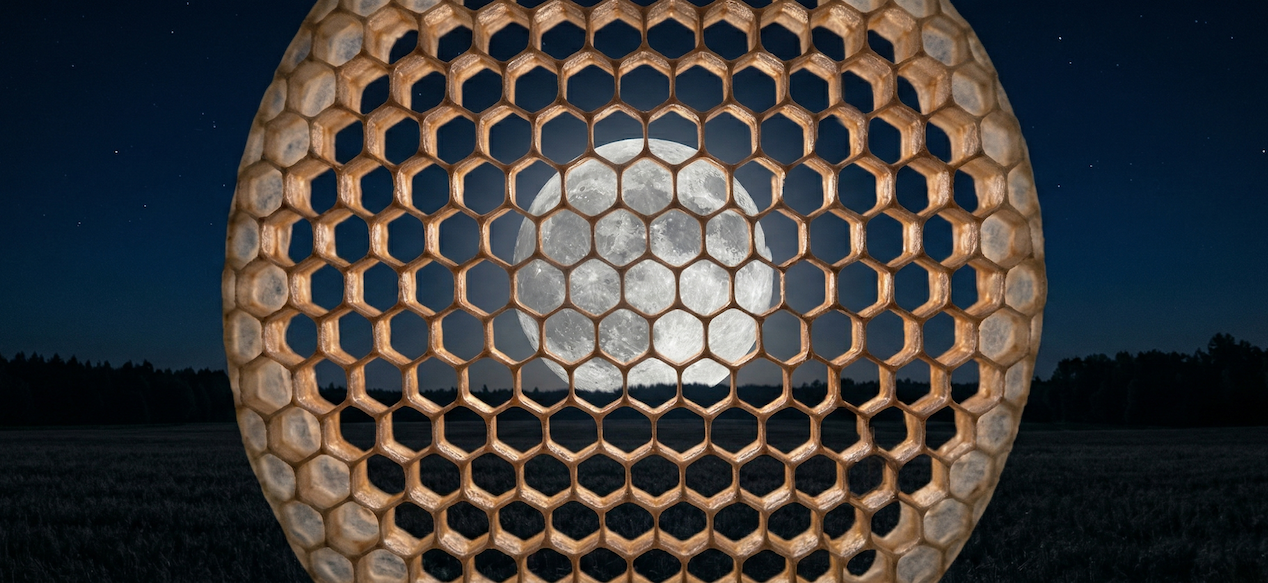
What Honeybees Know About Sleep That We Forgot
In the 1700s, beekeepers noticed their bees slept in rhythms that matched the hive’s needs. What they understood then took sleep science 200 more years to rediscover.
You’re seeing 4 of 15 issues. Subscribe free to read every one.
Subscribe to unlock all →Guided meditations
Slow-paced bedtime audio for the moment between awake and asleep — breath, body scan, and a single visualization to settle a busy mind.
Sleep Meditation: A 22-Minute Coastal Body Scan
Drift to a moonlit shoreline where breath, body, and mind settle into quiet.
Sleep Meditation: An 8-Minute Connecting with Nature’s Calm
A sensory journey into stillness — water, earth, and breath bringing the nervous system down.
Sleep Meditation: An 8-Minute Quiet the Thoughts That Keep You Up
A technique for the specific restlessness of a brain that knows it should be sleeping but isn’t.
Sleep Meditation: A 7-Minute Finding Balance and Harmony
A centering practice for when the day has left you pulled in too many directions.
Sleep Meditation: A 10-Minute Calming Body Scan
A systematic scan from crown to feet, releasing each layer of tension before sleep.
Sleep Meditation: A 10-Minute Releasing Tension Before Bed
A slow unwinding of the day’s physical and mental weight, one breath at a time.
Sleep Meditation: A 7-Minute Deep Sleep Visualization
A guided descent into imagined stillness — designed to quiet the mind before the body follows.
Sleep Meditation: A 7-Minute Gratitude for a Restful Sleep
A brief settling of what went right today, before releasing the rest to the night.
Sleep Meditation: A 7-Minute Letting Go of Daily Stress
A deliberate practice of releasing each stressor — named, acknowledged, and set aside.
Sleep Meditation: A 7-Minute Bedtime Reflection and Release
A quiet accounting of the day — what mattered, what can wait, and what doesn’t need carrying.
Sleep Meditation: A 5-Minute Quiet the Mind, Drift into Sleep
Five minutes to interrupt the loop — for the nights when the mind simply won’t stop.
You’re seeing 4 of 11 guided meditations. Subscribe free to unlock all.
Subscribe to unlock all →Guided morning meditations
Short, energizing audio for the first quiet minutes after waking — designed to settle the nervous system before the day asks anything of it.
Morning Meditation: A 5-Minute Embrace the Morning with Gratitude
Start the day with three quiet things to be grateful for, before the day asks anything of you.
Morning Meditation: A 5-Minute Starting the Day with Positive Intentions
Choose one quiet intention — calm, focus, joy — and let your breath carry it forward.
Morning Meditation: A 5-Minute Deep Breathing to Awaken Energy
Slow nasal inhales and a golden-light visualization to wake the body gently.
Morning Meditation: A 5-Minute Visualizing a Joyful Day Ahead
Picture one small thing to look forward to and let it shape the tone of the day.
Morning Meditation: A 6-Minute Affirmations for a Calm and Focused Mind
Seven calming affirmations spoken slowly into the breath, each paired with one image.
Morning Meditation: A 5-Minute Reflecting on Morning Moments of Peace
Find one calm moment already inside the morning and let that warmth expand.
You’re seeing 4 of 6 morning meditations. Subscribe free to unlock all.
Subscribe to unlock all →Pillar guides
Long-form, fully-cited guides on the topics our customers ask about most. Coming soon.
A complete guide to the science behind manuka’s anti-inflammatory properties.
Everything we know about why a small amount of honey before bed helps so many people sleep better.
An evidence-based primer on natural botanical extracts that support the wind-down phase of your circadian cycle.